Mumbai: Sari through Class/Caste
Fashion style, technique and fabric has shown class status across cultures. Looking at Mumbai, a city influenced by international commerce specifically with Britain, can locate someone's caste and class through their clothes.
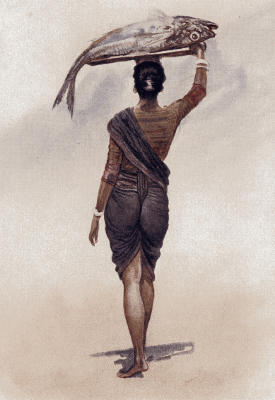
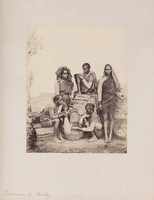
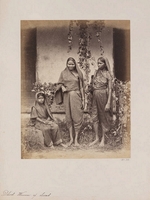
Often called the "fisherwomen" sari (Alkazi 1985) this style was uniquely used by the working women who grabbed and sold fish on the streets of Mumbai as shown through the "khacha" style of the bottom of the sari which only runs knee deep, an essential functionality to being able to do the work they do. Thus, the length and use of the choli instead of more expensive blouse showed occupation and class/caste status.
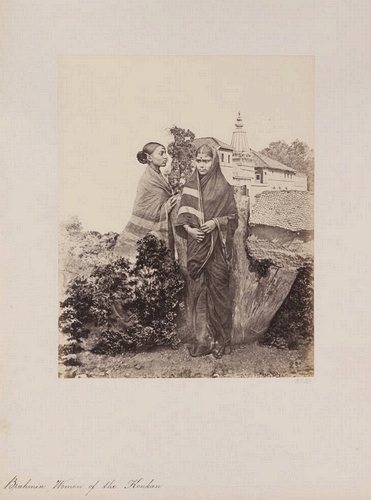
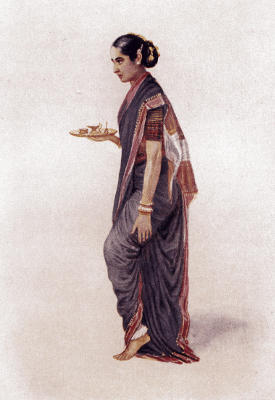
Nauvrani sari named for its use of 9 yards is sari style devoloped before the British Raj under the MarthaEmpire ruling over current city of Mumbai and parts of the state Maharashtra. The sari's bottom is intertwined between both legs, giving it a trouser look. This style of sari was developed at one aspect to make working and functioning within the sari easier and from a cultural legend standpoint, is said to be inspired by women supporting their warrior husbands to show they are on par with them in defending their kingdom. This regional style of sari shows a middle class/upper middle class status - or a person who has wealth but chooses to stay within their roots.
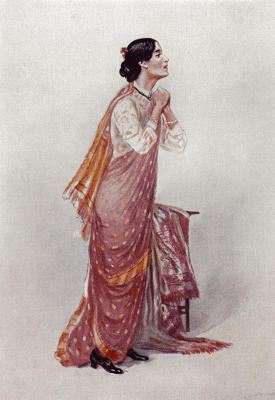
For the very upper class women, the Nivi sari from the use of blouse and petticoat to the drape over the left shoulder signified access to wealth and resources - specifically access to and influenced by British commerce.