Sari In Ancient India
Ancient India like many nations before the 19th century, was defined and influenced by different Empires who ruled it's borders. Many empires have gone through the huge nation now known as India, whose borders including modern day countries of Pakistan, Bangladesh, and Nepal.
For this exhibit, the costumes and dress will be traced between 3 main geographical areas: Northern India, Deccan area, Southern India :
- Northern India : country of Pakistan, states Punjab,Gujrat, Rajasthan (North), (Central ), and Uttar Pradesh, Madhya Pradesh, Bihar (Eastern), Nepal.
- Deccan area: Maharashtra, Bengal, country of Bangladesh
- South India: Karnataka ,Kerala, Andra Pradesh, Telangana, Tamil Nadu
From 300 BCE to 600 CE throughtout the following empires :
Maurya Empire - North India + Deccan
Kushan Empire - North India
Satavahana Empire - Deccan + South India
Gupta Empire -North India
Chera,Chola,Pandaya - South India
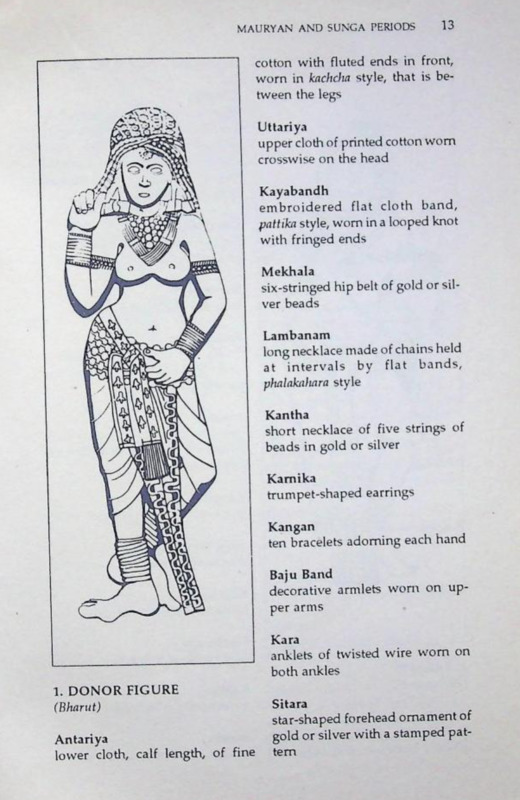
Locating the sari begins at first locating the styles and pieces worn throughout Ancient India (Iron Age).
The main costume for women was a 3 piece ensemble as that keeps reappearing in stone cravings and in ancient text throughout called the uttariya, antariya and the kayabandha. Antariya was unstitched fabric coiled around the legs. The Uttariya was the top piece which worn in many ways, one being was draped over the shoulders covering the back or over the head to spare from the heat and climate.Kayabandha is band of fabric tired around the waist acting like a belt for the antariya (Alkazi,1996). Both men and women would for a long time not wear anything to cover their chests, women being shown in several stone cravings as being bare -breasted as seen throughout till 1000 CE.
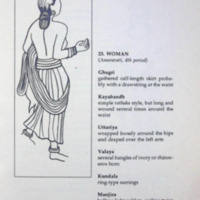
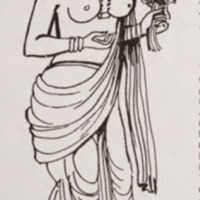
Like North India, the Deccan area of India had a similar version of the 3 piece ensemble, the Antariya in "gagri" form or as a skirt (possible predecssor for the gagra -choli cousins with the lengha-choli), with kayabandh being used as a fashion statement by being tied around the waist and the Uttariya retired to work like a stole circa 100-200 CE.
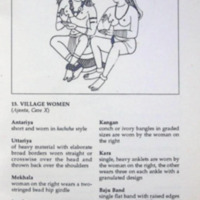
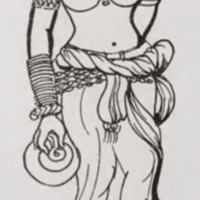
While upper class women were mostly depicted, the following depictions show women outside of royalty, living in different empires but around the same century to date. Village women in Satavahana are seen wearing the original combination of the 3 piece ensemble , showing how fashion becomes more accessible to lower classes as styles go out of style for upperclass women and are able to be given to those who can't afford it as time goes on.
While the maid working for the Kushan Empire up north is wearing the Antariya in it's skirt form akin to today's lengha or "gagri" as named by the author Roshen Alkazi, the kayabhandha fashioned around the waist and the Uttariya reduced a stole that acts like an accessory for the attariya (Alkazi 1996).
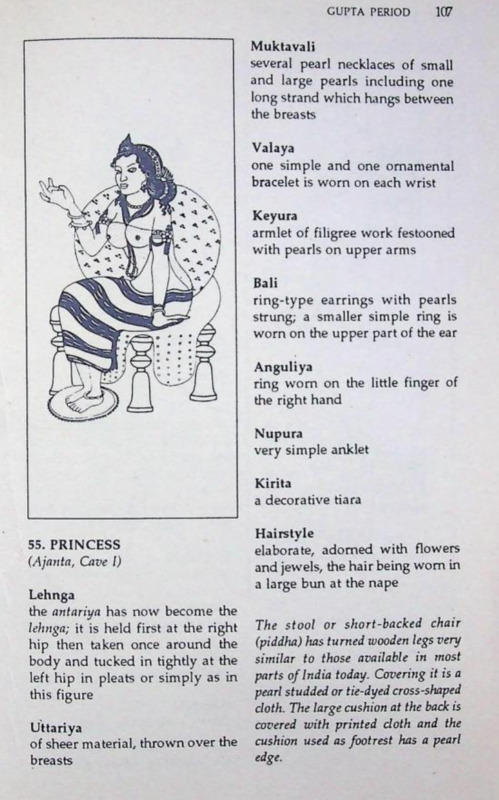
The antariya's style of "lengha" is a predecessor to the skirt part of the lengha-choli or gagra choli garment to be worn in North India years later. To be noted, the uttariya has now not being as much as it was before. By this time around 300 CE, uttariya was losing functionality and going out of fashion (Alkazi 1996)
The first inklings of one piece of fabric adorning the top and bottom of the body as the current sari is can be located in these two images depicting statues from Ghara and Mathura sites known as important sites for trade and commerce for the Kushan Empire (Roshen Alkazi 1996)
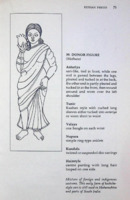
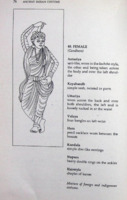
The first image of a religious women, orginally named "donor figure" covered in a style of single wrap starting from wrapping the bottom half of the body and covering the torso throwing the end towards the right shoulder . While the second image shows a women wearing the antariya in the "khacha" style and the uttariya across the torso and around the back creating the illusion of a single form of a sari.
City of Ghandara was influenced by trade specifically from Graeco-Roman whose artists where employed to make Bhudhust statues and Mathura was influenced by common cultural ancestor from Central Asia, mimicking a costume found in east Iran (Scythian) at the time.
The costumes were all so varied and showed no unformity except for the use of sewn garments, a lasting effect from trade influences and meeting other empires(Roshen Alkazi 1996).