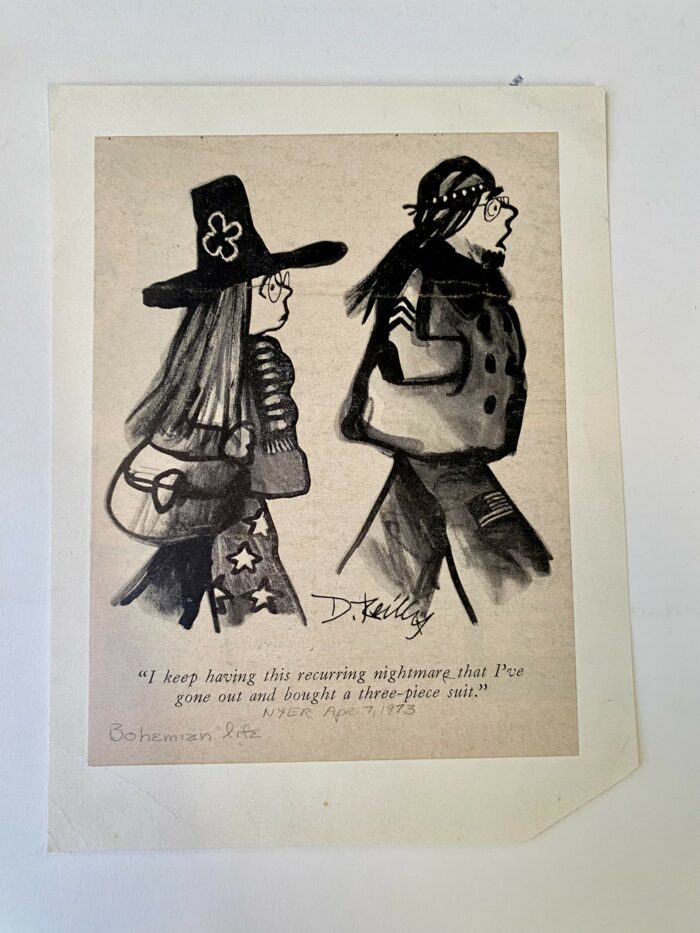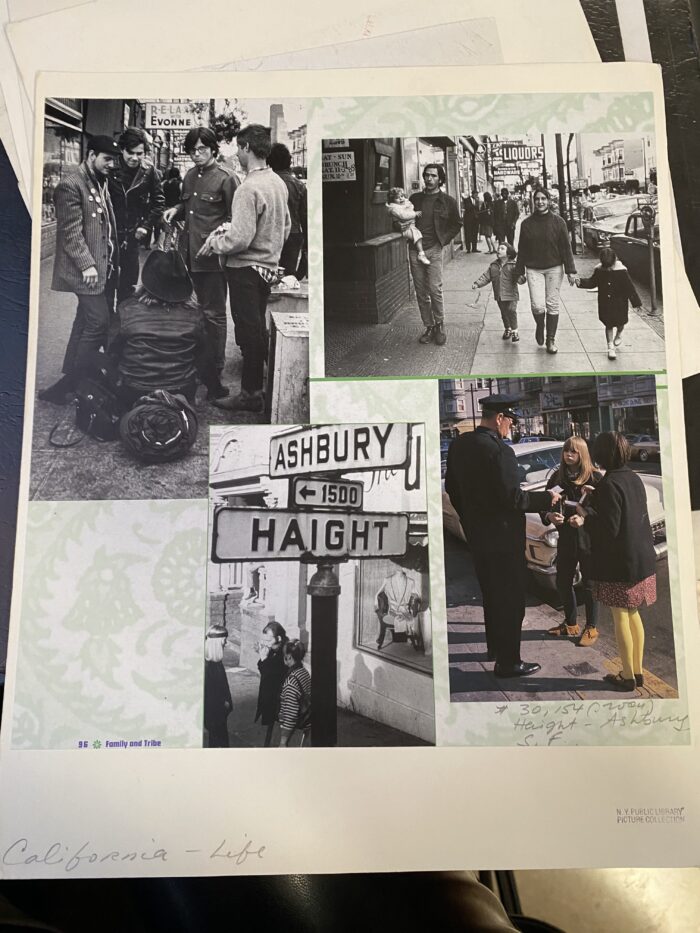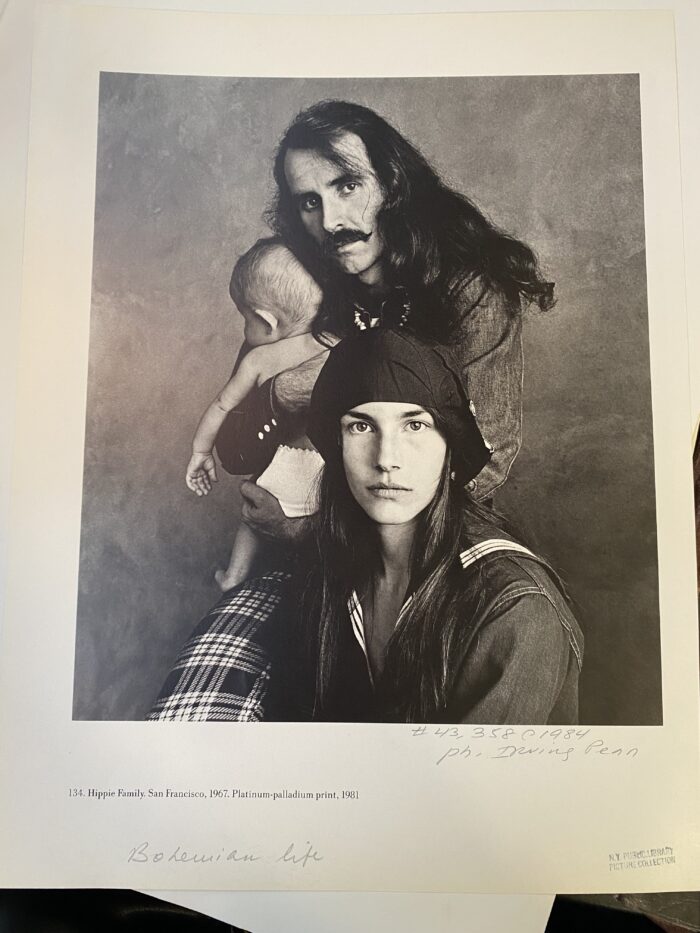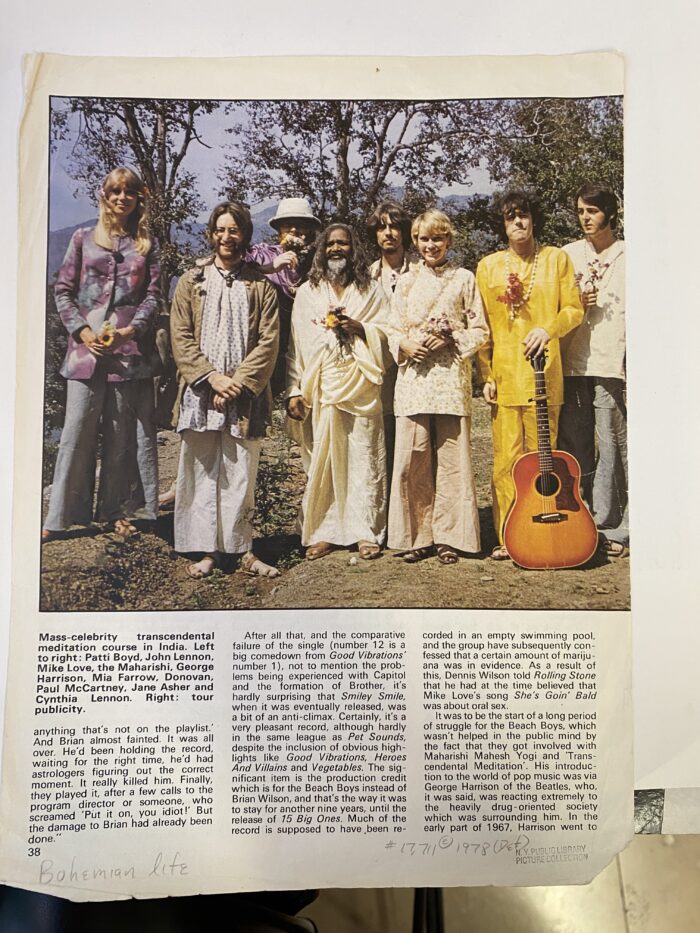
As we near the end of the semester and prepare for the new year, I feel like a chapter is closing. However, looking solely at the fashion industry, one would not detect a closing chapter. In fact, I propose that we still occupy a chapter in fashion history that began in the 1960s. This ongoing fashion chapter reflects our social and political chapter.
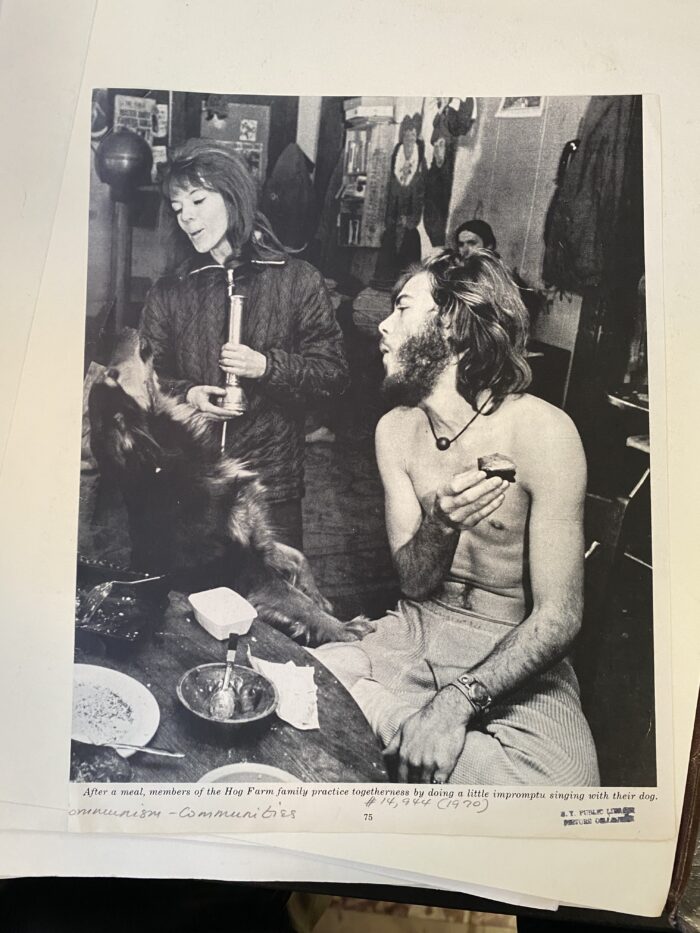
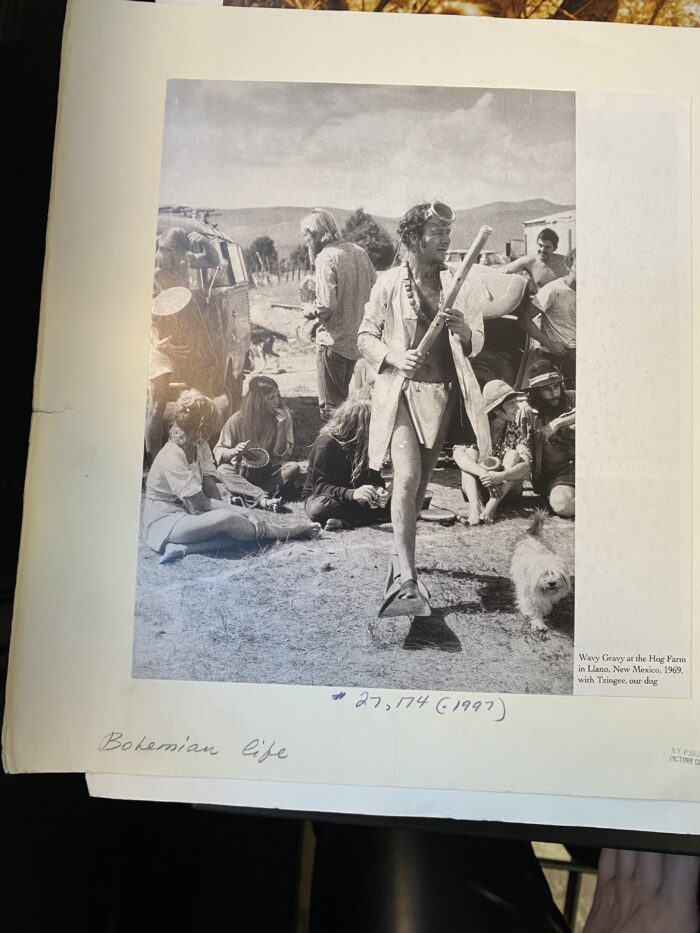
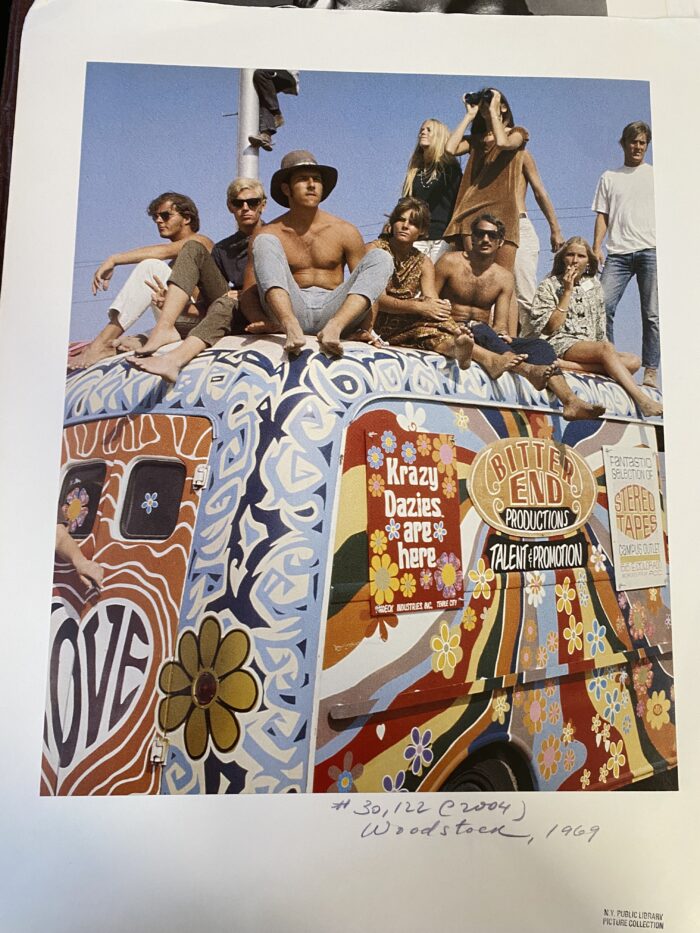
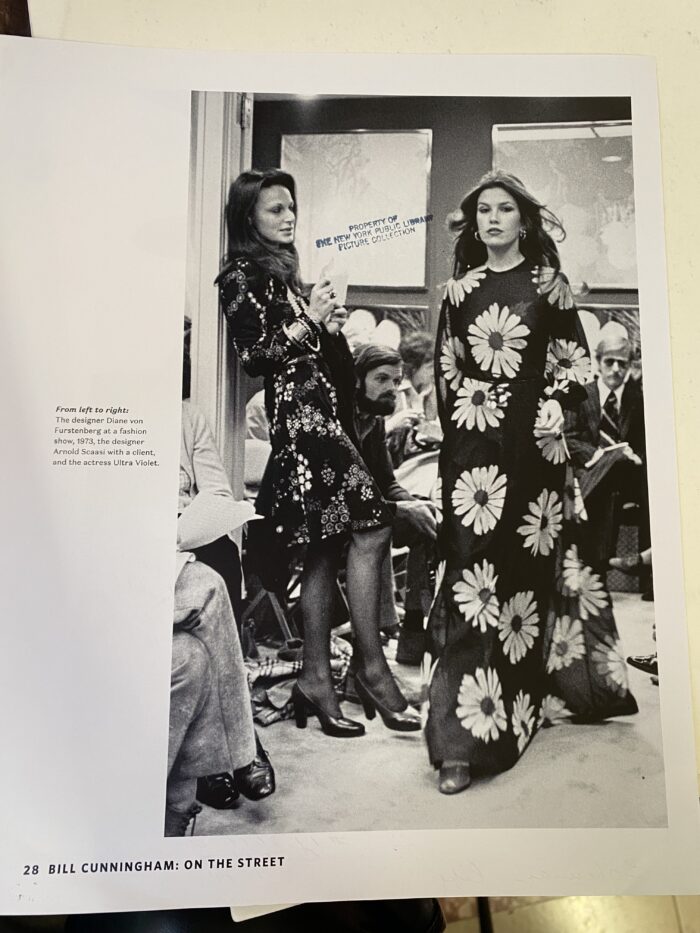
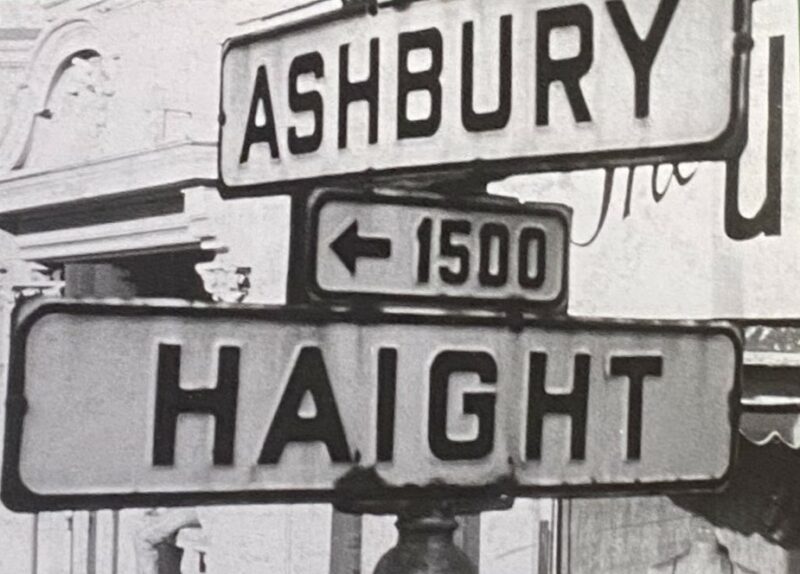
Centering youth in fashion and beauty is so ingrained in society that it’s hard to believe it wasn’t always this way. In fact, America’s modern conception of aging began with the changing fashions of the sixties. Prior to that decade, fashion had centered societies’ elites, but suddenly, as youth were at the forefront of change and the zeitgeist, fashion began to favor the young. “Streetwear” as a fashion category emerged. The cut of women’s clothes changed to fit young, slender bodies, thereby excluding many. Fashion historian Dr. Jo Paoletti notes, “If you were a fashion-conscious woman between 1964 and 1966, you might have wondered if you were gaining weight, but it wasn’t you that changed.”1 The styles were not for everyone. Although the youth fought for freedom for all, centering them in fashion created less freedom for women. New York Times writer Marylin Bender observed this change in 1964, writing, “Old maxims to the effect that life begins at 40 and elegance at 30 don’t hold true in fashion anymore.”2 That shift continues to shape society.
As the nation expanded its perception of gender and sexuality during the sixties and seventies, jeans and gender-neutral clothing rose in popularity. However, despite our increased awareness of the LGBTQ community and about sexism and racism, this has not resulted in lasting change, as we know. Much of the progress of the sixties and seventies social movements has been undone. In retrospect, the way that fashion became more restrictive of women’s bodies as their bodies simultaneously became freer indicated that the revolutionary fight for freedom and equality was far from won.
Closing this chapter requires resolving the controversies of the sixties. The fact that fashion has not dramatically changed since the sixties and seventies demonstrates that we still live in the aftermath of that time (Paoletti 2)3. Additionally, fashion shows us that if society achieves greater freedom, it will have a style, and that style will be inclusive rather than restrictive.