
Feminists and Radicals
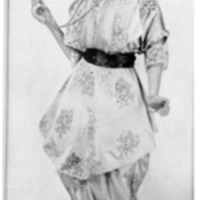
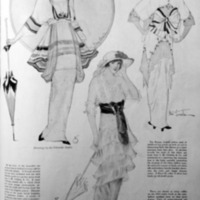
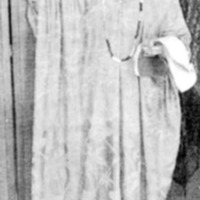
When the hobble skirt came out, it was widely embraced by women because they could hint at the shape of their legs for the first time in centuries. It allowed them to defy gender conventions and express sexuality. However, some feminists denounced them because they said that it kept women in bondage. It literally hobbled them. Around the same time, Japanese-inspired kimono dresses also became popular in certain circles. While many women wore kimonos at home, only in urban hubs such as New York City could they feel comfortable wearing them out in public. Further, the lingerie frocks, constructed of fabric similar to that usually seen in lingerie and took influence from kimonos, were also worn mainly by wealthy women. Feminists and radicals stepped beyond wearing kimonos outside; they began designing and wearing their own kimono-like dresses. Nina Wilcox Putnam and other women said it was freeing and allowed them to regain control of the male-dominated fashion industry. They encouraged all women to do the same. These women didn't seem to realize that their appeal was unfeasible for many women. In most of the country, women would not have been able to get away with wearing a dress like this in public. In New York City, many working women spent their days sewing clothes and would not want to spend their free time designing and sewing their own clothes.