
Browse Exhibits (11 total)
Bridal Veils in Film and Media: Allure and Identity
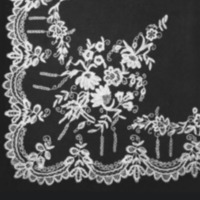
Welcome, visitor! The objective of my project is to show the impact of bridal veils as displayed through film and media and the evolution of the significance of wearing a veil. If you are intrigued by a particular area, I encourage you to explore the displayed links and videos. I suggest viewing the videos on a computer or tablet. Also, if you are browsing the videos, please pause or stop each one so the player does not continue from the previous video.
My exhibit is organized into the following areas:
History
Since ancient times, women wore veils as a symbol of high status. Bridal veils specifically protected the bride from evil spirits and were a symbol of innocence. However, Queen Victoria of England popularized wearing white wedding dresses and the bridal veil when she married Prince Albert in 1840. White was considered the color of wealth (not purity) because it was difficult to maintain white before modern bleaching techniques. However, Victoria chose white for her wedding day because it was an ideal color to display lace from England, and she wanted to promote the perception of innocence associated with the color.
Textiles
The exhibit includes resources from the Victoria & Albert Museum, Honiton, UK, and the Museum of Lace in Burano to show examples of lace and embroidery techniques.
Royal Weddings
From the newsreels of Elizabeth II's wedding to Prince Philip to millions of TV viewers today, royal weddings have featured dramatic and majestic veils to complement royal bridal ensembles.
Depiction in film, news media, and fashion
Veils play a supporting role in movies such as Rapsodia Satanica, Funny Face, The Sound of Music, The Godfather, and other films. The veil can reveal a great deal about its wearer as we will explore in this section.
Identity and Future Trends
This area provides some resources for learning more about veils and the possibilities for gender-fluidity.
Summary
The veil allows its wearer to create a dramatic moving image because of the diaphanous nature of the fabric, which provides motion in a way that the rest of the ensemble does not. The veil has morphed from a symbol of innocence and purity to an elevated accessory to convey qualities associated with being regal, confident, and unique.
The Enduring Allure of the “Little Black Dress” From Coco Chanel to Audrey Hepburn to Kendall Jenner
The Enduring Allure of the “Little Black Dress”
From Coco Chanel to Audrey Hepburn to Kendall Jenner
By Amy Strongin
Dressing in black has been around since Roman times, signifying people who are in mourning. In some parts of the world women will wear black for one to four years after a loved one has passed. It could be said that Queen Victoria started a fashion trend by wearing only black for 40 years of her 64-year reign following the death of her husband Prince Albert.
Coco Chanel changed the face of wearing black with the introduction of her iconic Little Black Dress. A crepe de chine, adorned with pearls; it appeared in Vogue in 1926. Described as “a uniform for all women of taste.” Chanel’s Little Black Dress heralded in a new era that convinced women they needed to have an elegant and stylish staple in their wardrobe that could be worn for any occasion and it specifically needed to be black.
This exhibit provides historical background for dressing in black and how it evolved from mourning attire to a fashion staple. I reference the iconic Coco Chanel and how her creation introduced a new style that has never gone out of fashion I explore how it evolved from the late 1920s depression era style to today. Many magazines still publish spreads that feature models and celebrities in little black dresses which I have uploaded for this exhibit. I have also included still images from various designers who took inspiration from Coco Chanel’s design and gave it a more updated look; from Dior in the 1940s, Lagerfeld in the 50s and Versace in the 1990s. I also include videos that explain the history of the dress from mourning dress to party dress as well as images from various museum exhibit around the world.
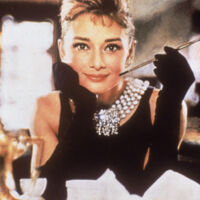
This exhibit focusses on how Audrey Hepburn and her collaboration with Givenchy for her role as Holly GoLightly in Breakfast at Tiffany’s helped establish the Little Black Dress as her signature style and brought into women’s consciousness the importance of having this wardrobe essential. Through my white paper, stills and videos I try to give credence to what is the allure of the Little Black Dress and why does it endure?