
Browse Exhibits (11 total)
Finding Freedom in Fashion
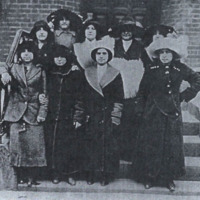
The 1910s were a very exciting time in American history.
As the world changes around us, it is an excellent time to revisit a period when everything shifted.
For the first time in centuries, women's clothing changed dramatically. Women gained the right to vote. Women entered the workforce and higher education in record numbers. For the first time ever, women saw themselves reflected on the silver screen.
All these changes were sites for freedom, but did freedom really emerge?
The following pages offer a variety of perspectives on American women's life and their pursuits of freedom in the 1910s. It leads one to ask if things have improved as much as we would expect in over a century.
Click on the pictures for a better view, and read my white page for a more in-depth consideration of the state of women's freedom then and now.
Blonde & Dangerous
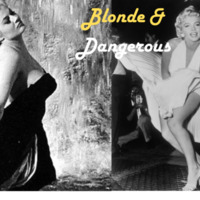
If Marilyn Monroe and Anita Ekberg represent the ultimate hypersexualized 1950s blond bombshell, the ultimate T&A’d objectification of women in a male-dominated industry, then why are so many people—and brands—still recreating their iconic looks today? When seen through the lens of fashion as a situated body practice, a case study of two evening dresses—Marilyn’s subway dress from The Seven-Year Itch, and Anita’s velvet gown as worn in La Dolce Vita—offers an alternative read.
In a time when women were still expected to perform traditional gender roles that reflected puritanical American values, Marilyn Monroe and Anita Ekberg rose to fame for representing sexual beings who publicly indulged in sensual pleasures. For having bodies and enjoying them. For dressing and un-dressing.
Though they were very different—Marilyn was deeply involved in crafting her persona, while Anita once claimed she found the idea of a sex symbol to be “stupid"—both were operating within the confines of a male-dominated industry.
And beating them at their own game.
Blonde & Dangerous: The Exhibit offers a look at their most iconic performances and outfits—Marilyn in her "subway dress" in Billy Wilder’s 1955 film, The Seven-Year Itch, and Anita Ekberg wading in the Trevi Fountain in a velvet evening gown in Federico Fellini’s La Dolce Vita. What went in to the creation, embodiment and upkeep of these looks? What do the film’s iconic scenes—and behind the scenes—tell us? And whether it’s today’s home sewer creating a YouTube tutorial on how to make Marilyn’s dress in an hour and a half, or a luxury brand like Valentino recreating Anita’s famous Trevi Fountain scene, how is it that these looks are still so powerful and relevant?
-Pune Dracker, December 2023