Bridal Veils in Film and Media
Dublin Core
Title
Bridal Veils in Film and Media
Description
History
Women had worn veils since ancient times as a symbol of high status. Bridal veils specifically protected the bride from evil spirits and were a symbol of innocence. However, Queen Victoria of England popularized wearing white wedding dresses and the bridal veil when she married Prince Albert in 1840. White was considered the color of wealth (not purity) because it was difficult to maintain white prior to modern bleaching techniques. However, Victoria chose white for her wedding day because it was an ideal color to display lace from England, and she wanted to promote the perception of innocence associated with the color.
Textiles
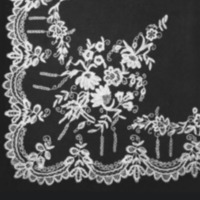
The exhibit includes photos of veils from the Victoria & Albert Museum and other resources to show examples of lace, tulle, and embroidery techniques.
Depiction in film, media, and fashion from approximately 1950s to the present
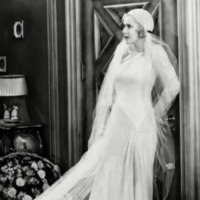
Veils have been displayed in movies such as Father of the Bride, Funny Face, The Sound of Music, The Godfather, and other films. Media images from royal weddings are also included here to display different types of veils, and the evolution of the veil over time and history in the 20th and 21st centuries. Many fashion shows end with the culminating procession of the model in the bridal gown and veil, which also sends a message to the consumer in terms of the theatrical quality and power of the veil.
Summary
The veil allows its wearer to create a dramatic moving image because of the diaphanous nature of the fabric, which provides motion in a way that the rest of the ensemble does not. The veil has morphed from a symbol of innocence and purity to an elevated accessory to convey qualities associated with being regal, confident, and unique.
Women had worn veils since ancient times as a symbol of high status. Bridal veils specifically protected the bride from evil spirits and were a symbol of innocence. However, Queen Victoria of England popularized wearing white wedding dresses and the bridal veil when she married Prince Albert in 1840. White was considered the color of wealth (not purity) because it was difficult to maintain white prior to modern bleaching techniques. However, Victoria chose white for her wedding day because it was an ideal color to display lace from England, and she wanted to promote the perception of innocence associated with the color.
Textiles
The exhibit includes photos of veils from the Victoria & Albert Museum and other resources to show examples of lace, tulle, and embroidery techniques.
Depiction in film, media, and fashion from approximately 1950s to the present
Veils have been displayed in movies such as Father of the Bride, Funny Face, The Sound of Music, The Godfather, and other films. Media images from royal weddings are also included here to display different types of veils, and the evolution of the veil over time and history in the 20th and 21st centuries. Many fashion shows end with the culminating procession of the model in the bridal gown and veil, which also sends a message to the consumer in terms of the theatrical quality and power of the veil.
Summary
The veil allows its wearer to create a dramatic moving image because of the diaphanous nature of the fabric, which provides motion in a way that the rest of the ensemble does not. The veil has morphed from a symbol of innocence and purity to an elevated accessory to convey qualities associated with being regal, confident, and unique.
Contributor
Marissa Guijarro